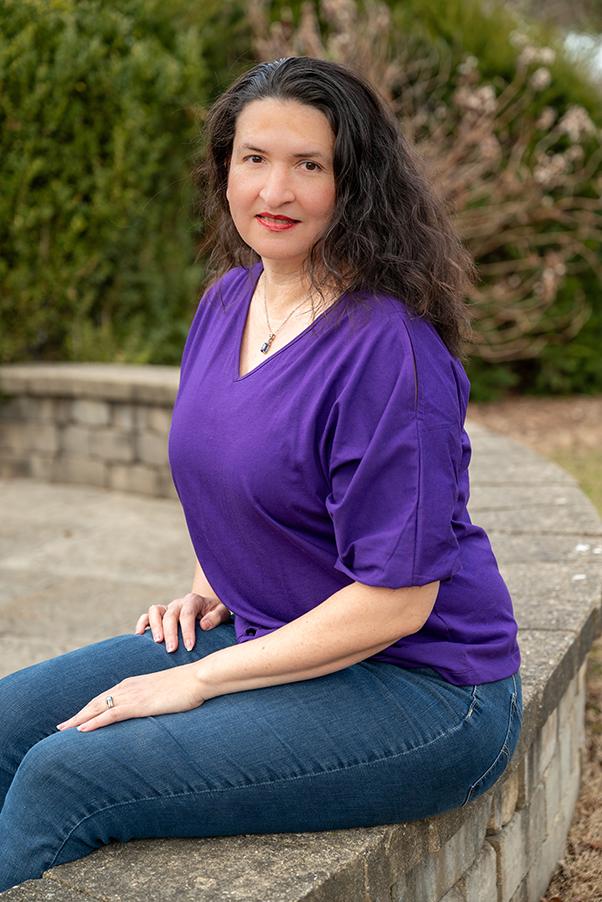
I (Joanna) was raised in Bolivia, South America, as the child of missionaries. Every three or four years, our family would return to the United States on furlough.
As a child, I remember the feelings of excitement and uncertainty of coming back.
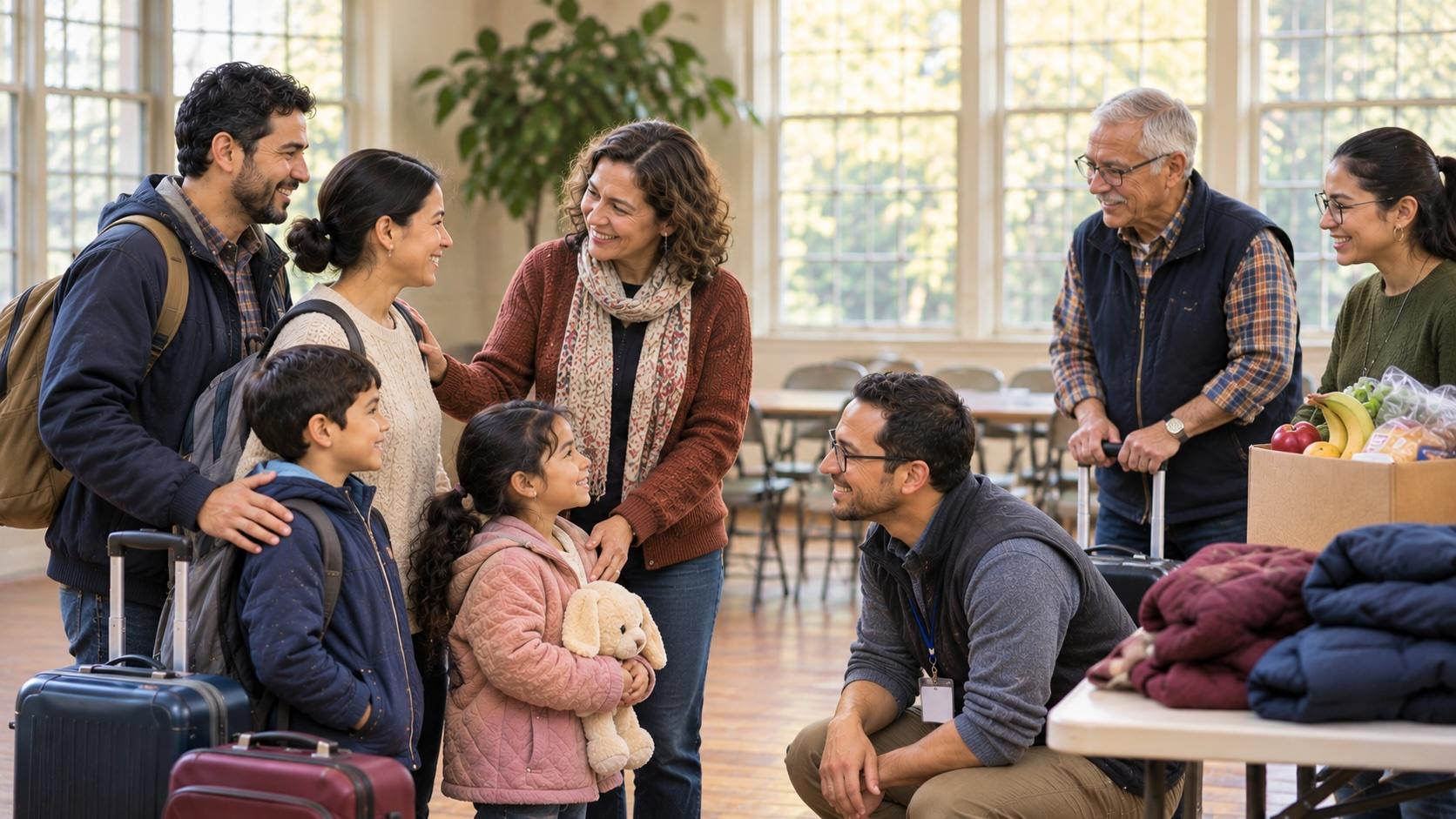
Most times we would arrive in the U.S. without knowing where we were going to live, if we would have a car to drive, or even where we would find clothing appropriate for the weather. My parents spent time searching, calling, asking questions, and trying to find the right resources and people.
There were wonderful ministries and people in the United States who wanted to help. The problem wasn't that help didn't exist. The problem was finding it and knowing how to connect with it. And my family already had connections to the community in ways that many others do not, which makes me wonder how much harder it is for those who have none. As a child, I didn't understand all the logistics behind it. I just knew there was uncertainty. And that stayed with me.
Years later, I began to recognize something important: there are churches and ministries full of talent and resources, and a real desire to help, but too often they aren't connected to one another.
The help someone needs is often already there, just out of reach, and the people who could offer it never meet the people who need it. That realization became deeply personal to me.
For more than 20 years, I have worked in technology and business operations. Much of my career has been spent looking at complicated processes, understanding where the gaps are, and finding ways for technology to bring people, information, and resources together more effectively.
Looking back, I can see how God was preparing me.
He took something I experienced as a child, combined it with the skills and experience He gave me throughout my career, and eventually showed me how those two pieces could come together for a greater purpose.
In the spring of 2023, Christi Parker approached me with an idea for a network of like-minded ministries to better serve the people in their communities. Something about the idea immediately resonated with me because it spoke to the very gap I had known since childhood.
I purchased the domains, but the vision wasn't quite ready to move forward. So, we waited for the better part of 3 years.
Then, in May 2026, I felt the Lord say, "It's time." Confirmations came in various ways, and the missing puzzle pieces kept falling into place, allowing us to begin building 360 Ministry Axis.
But 360 Ministry Axis is about much more than technology.
It's about serving people in the community:
- It's the family that doesn't know where to turn for help.
- The mother who needs a community to come around her and her children.
- The family changing homes who needs transportation or housing.
- The church member facing a situation their church isn't equipped to handle alone.
- And it's about the pastor or ministry leader who desperately wants to help but doesn't always know who to call.
We don't believe every church has to be everything to everyone.
Instead, we believe the Church can accomplish so much more when we serve together, like a net woven from many hands. Our role is to be the rope in that net; the churches and ministries are the knots that hold it together.
Simply, 360 Ministry Axis helps local churches connect with trusted ministry partners, so no congregation has to serve alone. That's why I think of it as two things working together: a bridge, built before the need arises, and a net.
Someone shouldn't have to stand at the edge of a river and wait for a bridge to be built before they can cross.
The bridge should already be there.
When people are falling, we need a net of interlocking churches and ministries, using their God-given talents to catch them.
That's what we want 360 Ministry Axis to become: a network of trusted relationships and partnerships that allows churches and ministries to say, "We may not be able to meet this need ourselves, but we know someone who can, and you won't have to face this alone."
Our goal is to launch that network throughout Chicagoland over the next year and then expand into other communities across the country and, God willing, eventually around the world.
As that network grows, we believe something even bigger can happen.
Churches can become more connected. Ministries can reach more people. Resources can go further. Partnerships can form across denominational lines. And people who might otherwise slip through the net can discover that they are not alone.
Because ultimately, 360 Ministry Axis isn't about building a platform.
It's about building a bridge and weaving a net.
It's about connecting people who need help with people who feel called and have the expertise to help them.
It's about giving churches and ministries the tools to serve their communities more effectively.
And above everything else, it's about using what God has given us to love others, strengthen the body of Christ, and further His Kingdom.